
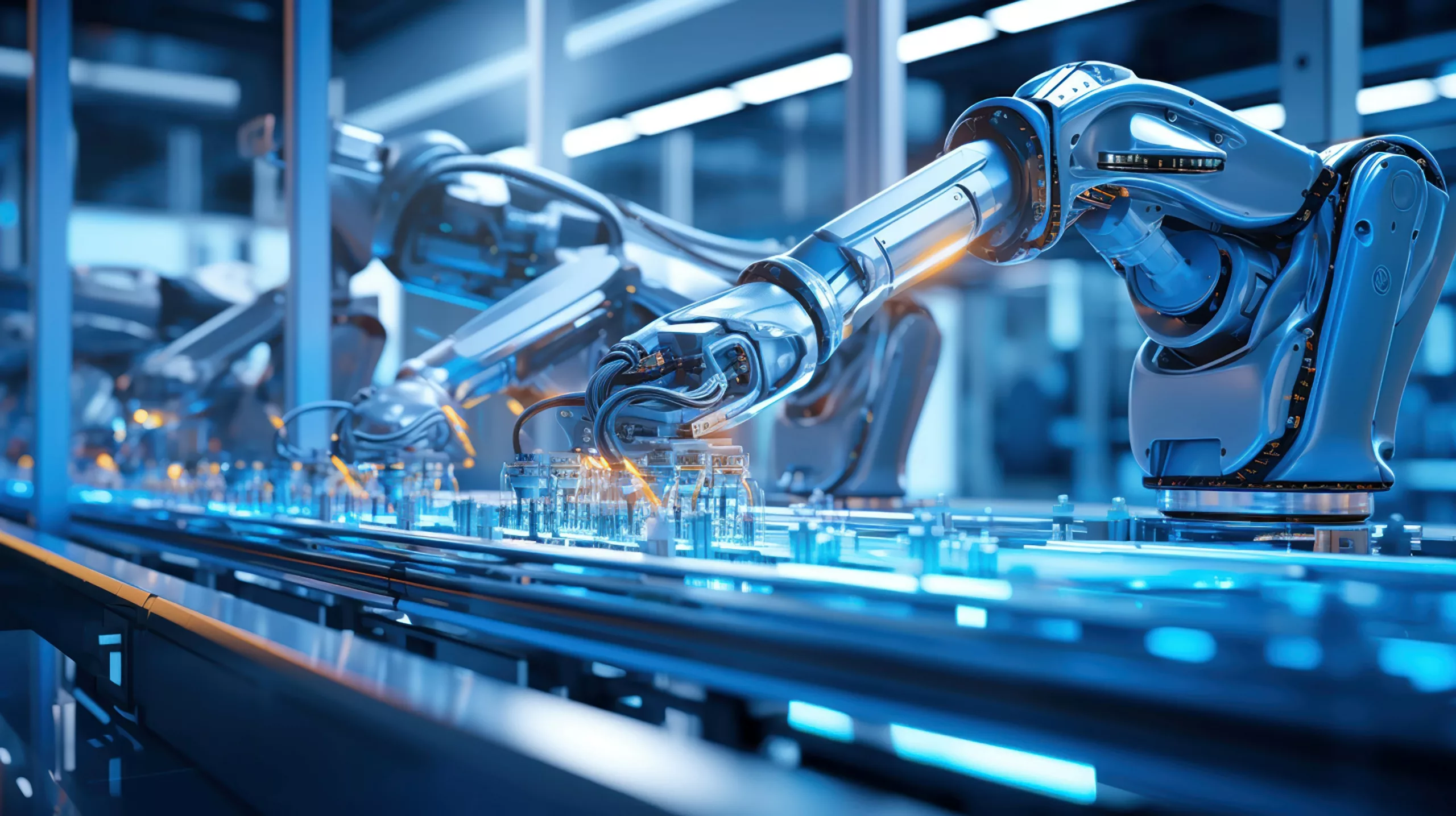
Manufacturers adopting artificial intelligence in manufacturing are no longer focusing only on defect detection; they are increasingly using AI to ensure workflow compliance on the shop floor. While inspection catches what went wrong, workflow intelligence prevents the mistake from happening in the first place. That distinction is where operational efficiency is truly transformed.
Why Workflow Compliance Is the Hidden Bottleneck
In many factories, standard operating procedures exist on paper but vary in execution. Operators may skip a fastening step, use the wrong component variant, or assemble parts out of sequence. These deviations rarely show up immediately in final inspection. Instead, they resurface later as warranty claims, rework costs, or field failures.
Artificial intelligence in manufacturing enables visual verification of each step during execution. Instead of auditing after production, AI systems monitor actions in real time. This shift from reactive quality control to proactive process enforcement is what separates traditional automation from intelligent manufacturing systems.
Moving from Inspection to Intelligent Monitoring
When we previously discussed inspection systems, the focus was largely on surface defects or missing parts. Workflow compliance extends that logic further. AI models now validate whether a bolt was tightened before the housing was sealed, or whether a barcode was scanned before packaging. The system evaluates behavior, not just outcomes.
This is where manufacturing workflow automation becomes practical. Cameras positioned across assembly lines feed into AI engines that compare live activity against predefined process maps. If a deviation occurs, alerts are triggered instantly. The operator corrects the issue before the product moves downstream.
Real-Time Process Monitoring at Scale
Traditional supervision relies on manual audits and sampling. That approach cannot scale across multiple shifts and facilities. Artificial intelligence in manufacturing supports real-time process monitoring, ensuring that compliance rules are applied consistently, regardless of operator experience or shift timing.
AI-based systems also maintain digital records of each step, strengthening quality control systems without adding paperwork. This traceability supports audits and regulatory requirements while keeping production speed intact.
Another advantage is adaptability. Production lines evolve. SKUs change. Workforce turnover happens. Modern AI vision systems can be retrained on new workflows without complete hardware overhauls. This flexibility prevents compliance gaps during transitions.
Reducing Operational Risk
Workflow deviation may seem minor at first glance, but small errors compound across high-volume production. Artificial intelligence in manufacturing addresses this through predictive maintenance analytics and behavioral validation. If recurring deviations appear in certain shifts or machines, management gains actionable insight rather than anecdotal feedback.
Over time, compliance data improves decision-making. Managers can identify bottlenecks, retrain teams strategically, and refine process design. This continuous loop turns compliance from a policing function into a performance improvement tool.
Integration with Existing Infrastructure
One common concern is disruption. Implementing artificial intelligence in manufacturing does not require ripping out current infrastructure. Many systems integrate with existing CCTV networks and plant software environments. This lowers capital expenditure and accelerates deployment timelines.
Moreover, compliance-focused AI aligns naturally with lean manufacturing principles. Instead of adding inspection checkpoints, it embeds intelligence directly into workflow stages. The result is smoother throughput and fewer corrective actions later in the value chain.
Balancing Automation and Human Expertise
AI does not replace operators; it augments them. Artificial intelligence in manufacturing provides guidance, flags inconsistencies, and reinforces best practices. Workers remain central to production, but now operate with digital support that ensures consistent execution.
As discussed above, workflow compliance differs fundamentally from end-of-line inspection. Inspection identifies flawed outputs. Workflow intelligence validates correct behavior. When both operate together, quality is built into the process rather than inspected afterward.
Final Thoughts
Artificial intelligence in manufacturing is evolving beyond visual defect detection into structured workflow enforcement. By embedding intelligence directly into operational steps, manufacturers reduce variability, enhance traceability, and improve overall reliability.
Organizations that invest in workflow-focused AI today position themselves for resilient, scalable operations tomorrow. Instead of asking whether defects were caught, forward-thinking leaders now ask a more powerful question: was the process followed correctly from the start?