
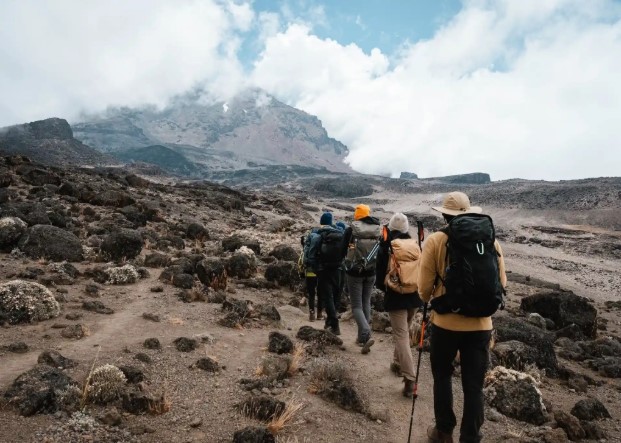
Every year, approximately 35,000 adventurers from across the globe set their sights on Mount Kilimanjaro, Africa’s highest peak and one of the world’s most spectacular trekking destinations. Rising 5,895 meters above sea level from the Tanzanian plains, this dormant stratovolcano offers an unparalleled adventure that combines physical challenge, natural wonder, and cultural discovery. What makes climbing Kilimanjaro truly special is its unique accessibility—no ropes, crampons, or technical mountaineering skills required—yet it delivers an authentic high-altitude mountaineering experience that will test your resolve and reward your perseverance with life-changing memories.
The Allure of the Roof of Africa
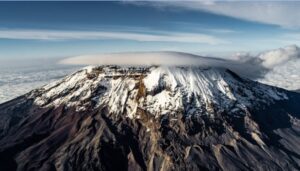
Mount Kilimanjaro isn’t just another mountain; it’s a geological marvel and ecological treasure. As the world’s tallest freestanding mountain, it rises dramatically from surrounding savannas, creating a visual spectacle visible from over 160 kilometers away. The mountain consists of three volcanic cones—Kibo, Mawenzi, and Shira—formed over millennia of volcanic activity. While the volcano is dormant, it’s not extinct, and occasional seismic activity reminds climbers of the powerful geological forces that shaped this natural wonder.
What truly distinguishes Kilimanjaro is its remarkable biodiversity. During your ascent, you’ll traverse five distinct ecological zones within days: cultivated farmland, lush montane forest, heath and moorland, alpine desert, and arctic summit zone. Each ecosystem hosts unique flora and fauna adapted to specific altitude ranges. In lower forests, you might encounter blue monkeys, colobus monkeys, and numerous bird species. Higher elevations showcase otherworldly vegetation like giant groundsels and lobelias that exist nowhere else on Earth.
The mountain’s equatorial location creates another fascinating phenomenon—permanent ice and snow at the summit despite being just three degrees south of the equator. However, climate change threatens this iconic feature. Kilimanjaro’s glaciers have receded dramatically over the past century, losing over 85% of their ice mass. This environmental crisis adds poignancy to your climb, as future generations may not witness these majestic ice fields.
Selecting Your Path to the Summit
Your route choice fundamentally shapes your Kilimanjaro experience, influencing everything from scenery and wildlife encounters to acclimatization effectiveness and summit success probability. Understanding each route’s characteristics empowers you to make informed decisions aligned with your priorities, abilities, and circumstances.
The Machame Route earned its “Whiskey Route” nickname for being tougher than the easier “Coca-Cola Route” (Marangu). This six to seven-day western approach is Kilimanjaro’s most popular route, attracting roughly 50% of all climbers. The path’s appeal lies in its excellent scenery diversity—from rainforest through moorland to alpine desert—and effective acclimatization profile. You’ll face the famous Barranco Wall, a 257-meter scramble that looks intimidating but proves manageable with proper guidance. The main drawback? Popularity means crowds, though many climbers appreciate the social atmosphere.
The Lemosho Route represents the premium Kilimanjaro experience. Beginning from the western slopes, this seven to eight-day route traverses remote wilderness with spectacular panoramas before converging with Machame for the final ascent. Extended duration allows superior acclimatization, resulting in summit success rates frequently exceeding 90%. The wilderness experience and lower traffic justify higher costs for those who can afford the time and expense.
The Rongai Route approaches from the mountain’s drier northern side near the Kenyan border. This six to seven-day option attracts climbers seeking solitude and those climbing during rainy seasons when the northern slopes receive less precipitation. The gentler, steadier gradient suits climbers concerned about steep sections, though the acclimatization profile doesn’t match western routes. Wildlife sightings are more common on Rongai’s lower slopes.
The Marangu Route, Kilimanjaro’s oldest and only route offering hut accommodation, appeals to those preferring beds over tents. However, the standard five to six-day itinerary compressed into hut availability creates poor acclimatization, contributing to lower success rates around 65%. If selecting Marangu, insist on the seven-day option for adequate altitude adjustment.
The Northern Circuit circumnavigates Kilimanjaro over eight to nine days, offering the longest, most remote, and most successful route. This premium option maximizes acclimatization while providing 360-degree mountain perspectives. Limited traffic and success rates approaching 95% make this route ideal for those prioritizing summit success and wilderness immersion over budget considerations.
The Umbwe Route challenges experienced trekkers through Kilimanjaro’s steepest, most direct ascent. This demanding six-day route features rapid altitude gain and technical terrain. Only seasoned high-altitude trekkers should consider Umbwe, as the aggressive profile and limited acclimatization time reduce summit success significantly.
Preparing Your Body for High-Altitude Success
Physical preparation determines whether you’ll summit or struggle. While Kilimanjaro doesn’t require technical climbing skills, underestimate the physical demands at your peril. Summit day alone involves 10-16 hours of continuous trekking at extreme altitude where each step demands maximum effort.
Begin training minimum four months before departure—six months proves optimal. Your training program should emphasize three key areas: cardiovascular endurance, strength conditioning, and hiking-specific preparation.
Cardiovascular training builds the aerobic base enabling sustained effort at altitude. Incorporate running, cycling, swimming, rowing, or stair climbing into your weekly routine. Structure training around four to five moderate-intensity sessions (45-75 minutes) plus one long session (2-4 hours) weekly. Gradually increase duration and intensity, simulating the cumulative fatigue of consecutive trekking days. Focus on sustainable pace rather than speed—you’re training for endurance, not racing.
Strength training prevents injury and maintains efficiency when exhausted. Prioritize exercises targeting legs and core: squats, lunges, step-ups, deadlifts, calf raises, planks, and mountain climbers. Strong legs power uphill progress and protect knees during lengthy descents. Core stability maintains posture and balance on uneven terrain. Include two to three strength sessions weekly, focusing on higher repetitions rather than maximum weight.
Hiking-specific training provides irreplaceable preparation. Nothing replicates actual hiking like hiking itself. Schedule weekly hikes of increasing duration on progressively challenging terrain. Train with a loaded backpack, gradually adding weight until carrying 8-12 kilograms comfortably for several hours. Break in hiking boots thoroughly during training—blisters become exponentially more problematic at altitude. If you lack mountain access, utilize stairs, stadium steps, or steep hills as alternatives.
Mental conditioning receives less attention but proves equally crucial. Visualization techniques help prepare for challenging moments. Spend time imagining yourself successfully navigating difficult sections—the cold of summit night, the exhaustion at high altitude, the temptation to quit. Develop personal mantras or mental strategies for maintaining motivation when physical discomfort peaks. Read summit accounts to understand psychological challenges ahead. Mental toughness separates those who summit from those who don’t when physical capabilities are comparable.
Understanding and Managing Altitude
Altitude represents Kilimanjaro’s greatest challenge and the primary reason climbers fail to summit. Understanding altitude’s effects on your body and implementing proven acclimatization strategies dramatically improves your chances of standing atop Uhuru Peak.
At sea level, atmospheric pressure ensures abundant oxygen with each breath. As you ascend Kilimanjaro, atmospheric pressure decreases, reducing oxygen availability. At the summit, atmospheric pressure drops to roughly half that at sea level, meaning each breath delivers only half the oxygen your body expects. Your physiological systems must adapt to this oxygen scarcity.
Your body responds through multiple adaptations: increased breathing rate and depth, elevated heart rate, enhanced red blood cell production, and improved oxygen utilization at cellular levels. However, these adaptations require time—days to weeks depending on altitude reached. Attempting to ascend faster than your body can adapt triggers altitude sickness.
Acute Mountain Sickness (AMS) affects 50-75% of Kilimanjaro climbers to varying degrees. Symptoms include headache, nausea, dizziness, fatigue, difficulty sleeping, and loss of appetite. Mild AMS is uncomfortable but manageable. However, ignoring symptoms or continuing to ascend with worsening symptoms invites serious complications.
High Altitude Pulmonary Edema (HAPE) and High Altitude Cerebral Edema (HACE) represent life-threatening conditions requiring immediate descent. HAPE involves fluid accumulation in lungs, causing extreme breathlessness, coughing, and chest tightness. HACE involves brain swelling, causing severe headache, confusion, loss of coordination, and altered consciousness. Both conditions can progress rapidly and prove fatal without treatment.
Effective acclimatization strategies maximize summit success while minimizing altitude sickness risk:
- Choose longer routes: Seven to nine-day itineraries allow superior acclimatization compared to five to six-day routes
- Ascend slowly: Maintain “pole pole” (slowly slowly) pace regardless of how fit you feel
- Hydrate aggressively: Consume three to four liters of water daily, even when not thirsty
- Climb high, sleep low: Take acclimatization hikes above camp, then return to lower elevation for sleeping
- Eat adequately: Maintain caloric intake despite altitude-suppressed appetite
- Avoid alcohol and sleep aids: Both suppress breathing and impair acclimatization
- Communicate honestly: Report all symptoms to guides immediately—summit fever kills
- Consider Diamox: After consulting your physician, prophylactic acetazolamide can aid acclimatization
Remember that fitness doesn’t prevent altitude sickness. Professional athletes and casual trekkers alike suffer from altitude-related problems. The key is listening to your body, ascending conservatively, and accepting that turning back sometimes represents the wisest decision.
Essential Gear and Packing Strategy
Kilimanjaro’s dramatic temperature variation—from tropical heat to arctic cold—demands versatile, well-chosen gear. Smart packing balances preparedness with weight management, as porters carry your main duffel while you carry your daypack throughout each day’s trek.
Clothing systems employ layering principles to manage warmth, moisture, and protection:
- Base layers: Three to four sets of moisture-wicking synthetic or merino wool tops and bottoms manage perspiration
- Mid-layers: Fleece jacket, synthetic insulated jacket, and insulated pants provide warmth without bulk
- Outer shell: Waterproof, breathable jacket and pants protect against wind, rain, and snow
- Summit insulation: Heavy down or synthetic parka and insulated pants combat summit cold
- Accessories: Warm hat, sun hat, balaclava, liner gloves, insulated gloves, neck gaiter, and multiple sock pairs
Footwear can make or break your climb:
- Hiking boots: Waterproof, broken-in boots with ankle support are mandatory
- Socks: Multiple pairs of liner socks plus thick hiking socks
- Gaiters: Keep scree, mud, and snow out of boots
- Camp shoes: Comfortable sandals or lightweight shoes for evening relief
Sleep and shelter equipment:
- Sleeping bag: Rated to -10°C to -15°C minimum, though colder ratings provide buffer
- Sleeping pad: Insulated pad prevents ground cold from sapping body heat
- Pillow: Small inflatable pillow improves sleep quality
Technical equipment:
- Trekking poles: Adjustable poles reduce knee strain and improve stability—arguably the most valuable single piece of equipment
- Headlamp: Bright LED headlamp with spare batteries for summit night
- Water bottles: Two one-liter insulated bottles (hydration bladders freeze at high camps)
- Sunglasses: UV400+ protection, ideally with side shields
- Backpack: 35-45 liter daypack for daily carry
Personal items and accessories:
- Sun protection: SPF 50+ sunscreen, lip balm with SPF
- Hygiene: Wet wipes, hand sanitizer, quick-dry towel, biodegradable soap
- First aid: Personal medications, blister treatment, pain relievers, electrolyte supplements
- Electronics: Camera, phone, power bank (electrical charging unavailable at most camps)
- Snacks: Energy bars, nuts, dried fruit, chocolate—foods you enjoy
- Documentation: Passport, vaccination certificates, travel insurance documents
Many operators offer equipment rental for major items like sleeping bags, trekking poles, and cold-weather clothing. This option reduces travel burden if you don’t own or want to purchase specialized gear.
Life on the Mountain: What to Expect
Understanding typical daily routines and camp life helps set realistic expectations and reduces anxiety about the unknown aspects of your Kilimanjaro adventure.
Morning routine: Wake-up calls arrive around 6:30 AM with hot tea or coffee delivered to your tent—a welcome start to cold mornings. After packing sleeping bags and gear, you’ll enjoy breakfast featuring porridge, eggs, toast, pancakes, fruit, and hot beverages. Pack your daypack while porters organize your duffel bag, then begin trekking by 8:00-8:30 AM.
Trekking rhythm: Guides set deliberately slow paces emphasizing “pole pole” philosophy. Regular breaks every 60-90 minutes allow rest, hydration, snacks, and bathroom stops. Guides share knowledge about mountain ecology, geology, and cultural significance while monitoring your condition. Trekking days typically span four to eight hours depending on route stage and acclimatization needs.
Afternoon arrival: Porters reach camp hours before climbers, establishing tents and preparing facilities. Upon arrival, you’ll find your tent erected, hot washing water available, and welcoming snacks. Afternoon hours allow rest, hydration, journal writing, or socializing with fellow climbers. Many routes include acclimatization walks to higher elevations before returning to camp.
Evening program: Dinner service begins around 7:00 PM, featuring multi-course meals with soups, proteins, starches, vegetables, and desserts. After dinner, guides conduct health checks and briefings about the following day. Early bedtimes (8:00-9:00 PM) prepare you for the next day’s challenges.
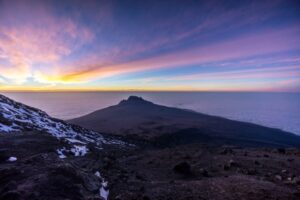
Summit night breaks all patterns. Wake-up calls arrive around 11:00 PM for tea and light snacks. You’ll begin ascending around midnight, climbing through darkness by headlamp light. The slow, steady climb takes six to eight hours to reach the crater rim at Stella Point or Gilman’s Point, followed by one to two additional hours circling the crater to Uhuru Peak. Summit success brings euphoria, photos, and tears before the long descent back to high camp for brief rest, then continuing descent to lower camps.
Conservation, Culture, and Responsible Tourism
Climbing Kilimanjaro carries responsibilities extending beyond personal achievement. Your decisions impact environmental preservation, local communities, and the mountain’s future.
Environmental stewardship: Kilimanjaro National Park enforces strict Leave No Trace principles. All waste must be packed out—guides collect trash for proper disposal below. Use designated toilet facilities at each camp. Stay on established trails to prevent erosion and vegetation damage. Never disturb wildlife or remove natural objects. Your park fees fund conservation efforts protecting Kilimanjaro’s unique ecosystems.
Climate awareness: Kilimanjaro’s retreating glaciers symbolize global climate change impacts. While individual carbon footprints from flights and activities seem negligible, collective responsibility matters. Consider carbon offset programs, support climate action initiatives, and share the mountain’s story to raise awareness about environmental threats.
Cultural respect: Your climbing crew—guides, assistant guides, cooks, and porters—are skilled professionals deserving respect and dignity. Learn their names, show interest in their lives, and express genuine appreciation for their incredible work. Learn basic Swahili phrases: “Jambo” (hello), “Asante sana” (thank you very much), “Habari” (how are you), “Pole pole” (slowly slowly).
Ethical tourism: Select operators committed to fair labor practices, proper crew equipment, reasonable weight limits, and fair compensation. Organizations like KPAP (Kilimanjaro Porters Assistance Project) and IMEC (International Mountain Explorers Connection) promote porter welfare. Supporting ethical operators creates positive change in the industry.
Tipping practices: Gratuities form significant portions of crew income. Budget $250-350 per climber for crew tips, distributed proportionally: lead guide ($80-100), assistant guides ($60-80 each), cook ($60-80), and porters ($40-60 each). Tips are typically pooled and distributed by the lead guide after successful climbs.
Your tourism dollars support local economies, fund education and healthcare, and provide employment opportunities in regions with limited alternatives. Responsible tourism creates lasting positive impacts when conducted with integrity and cultural sensitivity.
Conclusion
Climbing Kilimanjaro represents far more than checking a box on your adventure bucket list. This magnificent mountain offers transformative experiences that test your limits, expand your perspectives, and forge lasting memories. The journey encompasses physical challenge, yes, but also cultural immersion, environmental awareness, and profound personal growth. Whether you reach Uhuru Peak or turn back honorably due to altitude or conditions, the attempt itself builds character, resilience, and appreciation for Earth’s wild places.
Success on Kilimanjaro requires thorough preparation, strategic planning, altitude respect, and unwavering determination. Yet the rewards—standing atop Africa, witnessing extraordinary landscapes, connecting with wonderful people, and discovering inner strength you didn’t know you possessed—make every challenging step worthwhile. The mountain teaches lessons extending far beyond the climb itself: about perseverance through adversity, humility in the face of nature’s power, and the extraordinary capabilities humans possess when we commit ourselves fully to meaningful challenges.
Key Takeaways
- Accessible high-altitude adventure: Kilimanjaro requires no technical climbing skills, making it achievable for determined trekkers with proper preparation
- Route duration matters most: Longer routes (7-9 days) provide superior acclimatization and success rates exceeding 90%
- Altitude is the primary challenge: Fitness doesn’t prevent altitude sickness; slow ascent and proper acclimatization strategies determine success
- Training requires months: Begin cardiovascular and strength training 4-6 months before departure with hiking-specific preparation
- Smart packing is essential: Layered clothing systems manage extreme temperature variations from tropical to arctic conditions
- Choose ethical operators: Select companies prioritizing safety, porter welfare, and environmental responsibility over rock-bottom pricing
- Pole pole philosophy: Slow, deliberate pacing prevents altitude sickness and conserves energy for summit push
- Budget realistically: Quality climbs cost $2,000-4,000 plus tips ($250-350), gear, insurance, and travel expenses
- Environmental responsibility: Practice Leave No Trace, support conservation efforts, and recognize climate change impacts
- Cultural immersion enriches experience: Engage respectfully with crew and local communities, learning from their knowledge and perspectives
- Mental preparation equals physical training: Visualization, mantras, and psychological strategies prove crucial during difficult moments
- Summit is optional, return mandatory: Turn back honorably when conditions or health warrant; the mountain isn’t going anywhere
Frequently Asked Questions
How long does it take to climb Kilimanjaro? Climbing durations range from five to nine days depending on route selection. Most climbers choose six to eight-day itineraries balancing adequate acclimatization with time constraints. Longer routes significantly improve summit success rates—seven to nine-day routes achieve 85-95% success compared to 65% for five to six-day routes.
What is the success rate for summiting Kilimanjaro? Overall success rates average approximately 65%, but vary dramatically by route and duration. Five-day Marangu routes see roughly 50% success, six-day Machame around 75%, seven-day Lemosho 85-90%, and eight to nine-day Northern Circuit approaches 95%. Duration directly correlates with success through improved acclimatization.
Do I need mountaineering experience to climb Kilimanjaro? No technical mountaineering experience or specialized climbing skills are required. Kilimanjaro is a trekking peak accessible to anyone with strong cardiovascular fitness, determination, and proper preparation. Previous multi-day hiking experience helps but isn’t mandatory. The challenge lies in sustained effort at high altitude rather than technical difficulty.
When is the best time to climb Kilimanjaro? Optimal climbing seasons coincide with Tanzania’s dry periods: January through mid-March and June through October. January-March offers clearer skies, spectacular views, and fewer crowds. June-October provides stable weather but higher traffic. Avoid April-May (heavy rains) and November (short rains), though determined climbers can attempt Kilimanjaro year-round.
How much does climbing Kilimanjaro cost? Budget $2,000-5,000 for the climb itself, depending on route, duration, group size, and operator quality. This typically includes park fees, guides, porters, meals, camping equipment, and airport transfers. Additional expenses include crew tips ($250-350), international flights, visa ($50-100), vaccinations, travel insurance, personal gear, and pre/post-climb accommodation.
What are the dangers of climbing Kilimanjaro? Primary risks include altitude sickness (ranging from mild AMS to life-threatening HAPE/HACE), hypothermia in summit conditions, dehydration, injuries from slips or falls, and exhaustion. Proper acclimatization, appropriate pacing, quality equipment, experienced guides, and honest communication about symptoms minimize these risks significantly.
Can older adults climb Kilimanjaro? Absolutely. Age matters far less than fitness, determination, and acclimatization. Climbers in their 60s, 70s, and even 80s successfully summit regularly. The oldest documented summiter was 89 years old. Excellent cardiovascular fitness, longer route selection, and conservative pacing enable older climbers to achieve success comparable to younger counterparts.
What should I do if I experience altitude sickness symptoms? Immediately inform your guide about any symptoms—headache, nausea, dizziness, unusual fatigue, or confusion. Mild symptoms often improve with rest, hydration, and slower ascent. If symptoms persist or worsen, descent is the only reliable treatment. Never hide symptoms hoping they’ll improve—altitude sickness can progress rapidly to life-threatening conditions without warning.